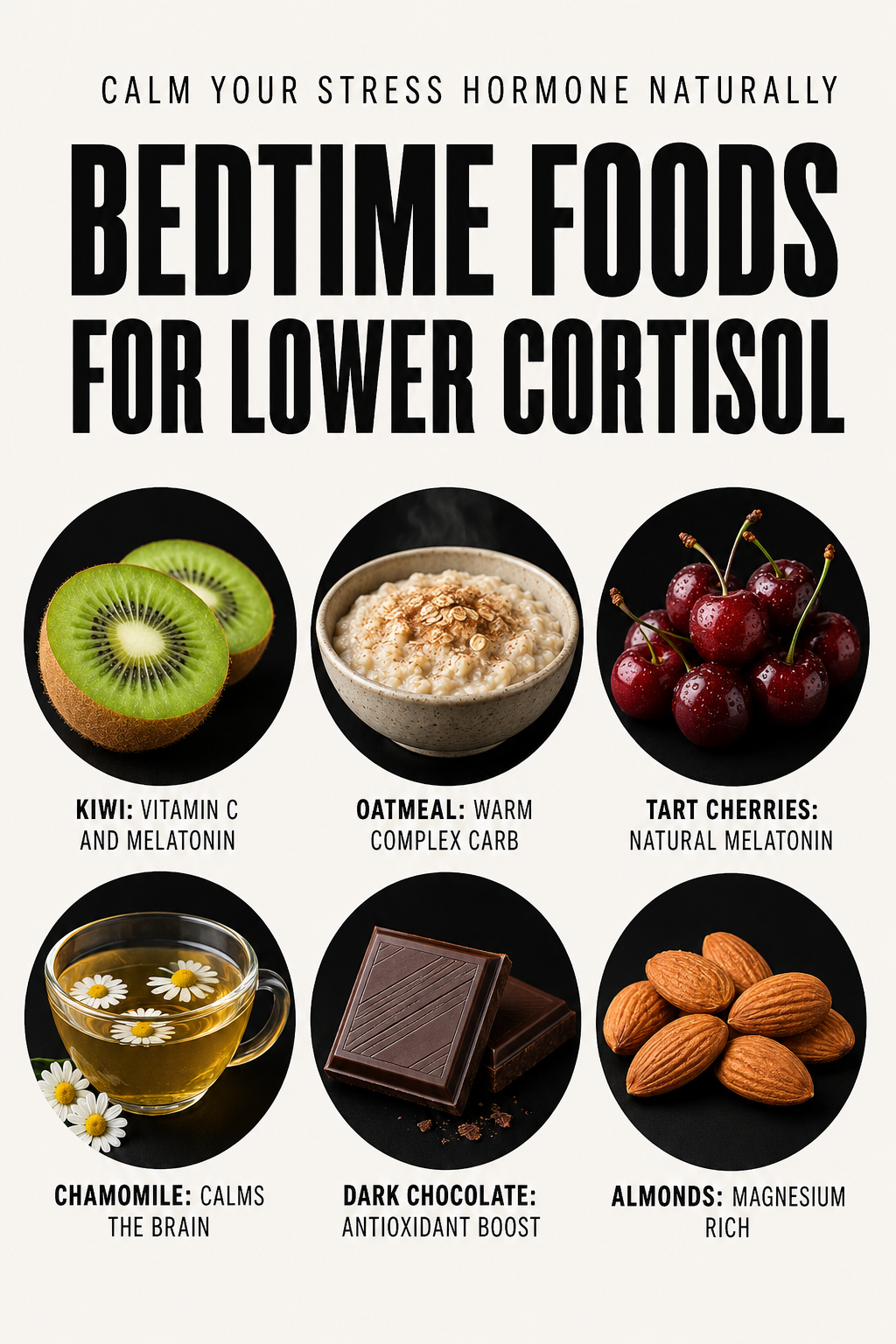
Foods That Naturally Boost Melatonin Before Bed
Ever notice how you feel drowsy after a big holiday dinner but wide awake after a bowl of cereal at midnight. It is not just in your head. What you eat in the hours before bed genuinely nudges your body toward sleep or away from it. The good news is you do not need a pharmacy aisle to help your body wind down, because your kitchen already has what you need.
Melatonin is the hormone your brain releases when it senses darkness, and it is basically your body’s signal that bedtime has arrived. Most people think of it as something you take in pill form, but plenty of everyday foods contain small natural amounts of it or help your body produce more of its own. Tonight we are going to walk through the ones that actually have research behind them.
Before we dive in, it helps to know that food based melatonin works differently than a supplement. The amounts in food are tiny compared to what you get in a gummy or capsule. That does not mean they are useless, it just means they work more like a gentle nudge than a sledgehammer, which honestly sounds like exactly what a bedtime routine should feel like.
Tart Cherries
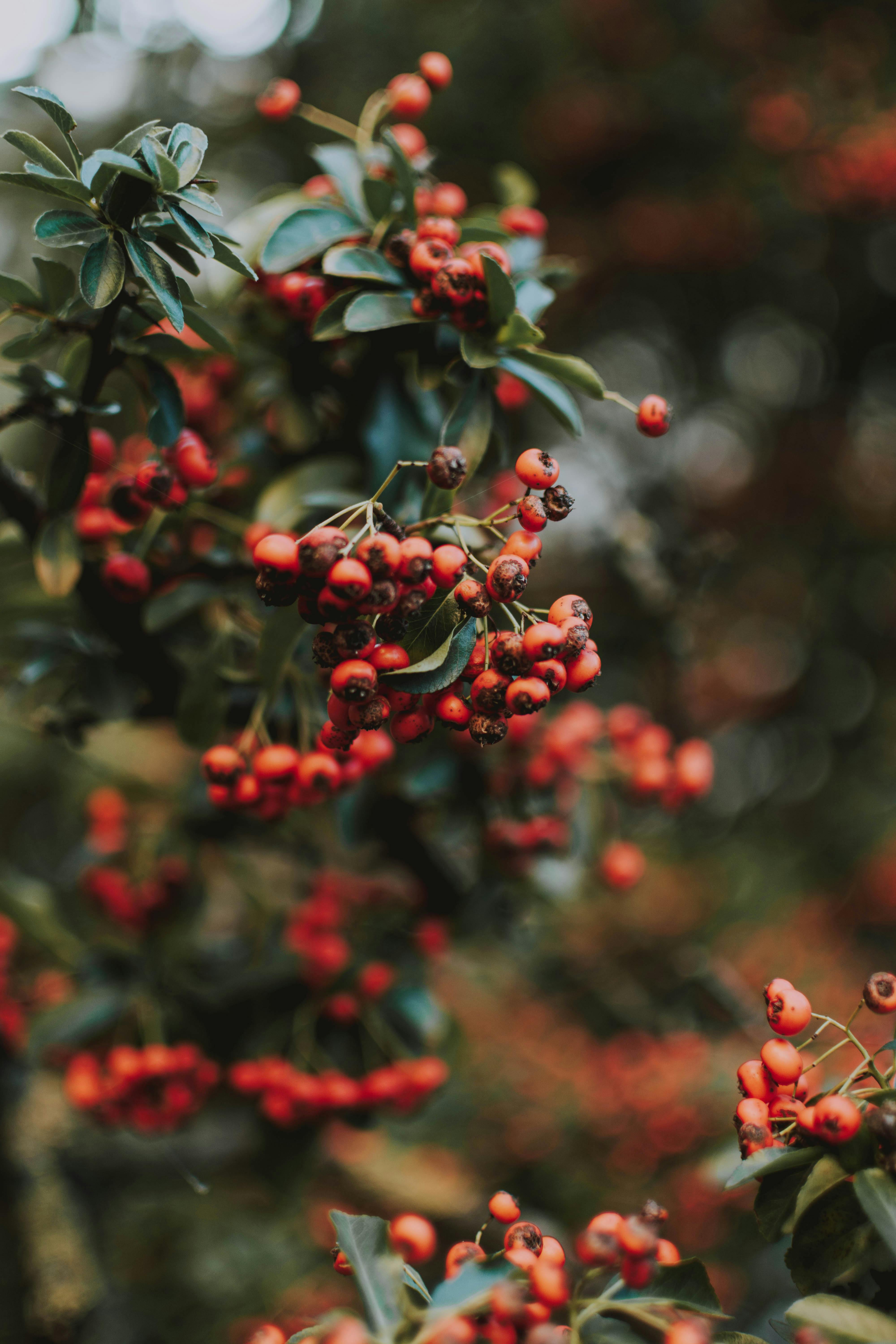
Tart cherries, especially the Montmorency variety, are one of the most talked about sleep foods out there and for good reason. They naturally contain melatonin along with tryptophan, the amino acid your body uses to make serotonin and eventually melatonin. Researchers have also found that a compound in tart cherry juice called procyanidin helps make more tryptophan available in the body.
Studies on tart cherry juice have shown real results, including one that looked at older adults with insomnia and found the juice increased both sleep time and sleep efficiency after regular use. Another small study had people drink tart cherry juice concentrate for a week and found their melatonin levels rose significantly along with their total sleep time compared to a placebo group. If you want to try it, a small glass of unsweetened tart cherry juice in the evening is an easy place to start.
Just watch the sugar content if you are buying juice, since some brands add a lot of it. Pairing your cherry juice with a small handful of almonds or a bit of cheese can help slow down how quickly the natural sugars hit your bloodstream, which keeps your sleep steadier later in the night.
Kiwi

Kiwi might be the most surprising entry on this list because its sleep benefits are not mainly about melatonin at all. A well known study out of Taipei Medical University had adults with self reported sleep problems eat two kiwi fruits an hour before bed every night for four weeks. The results were impressive, with participants falling asleep faster and sleeping noticeably longer than before.
Researchers think the effect comes from a combination of things kiwi offers, including its natural serotonin content, antioxidants like vitamin C and vitamin E, and folate. It is also incredibly gentle on the stomach and low in calories, which makes it an easy bedtime snack that will not leave you feeling weighed down. Two kiwis, skin removed, sliced up in a small bowl is really all it takes.
Because kiwi is a whole fruit rather than an extract, you also get fiber alongside everything else, which tends to make blood sugar rise more slowly than juice would. That steadiness can matter for staying asleep once you actually drift off.
Pistachios and Other Melatonin Rich Nuts
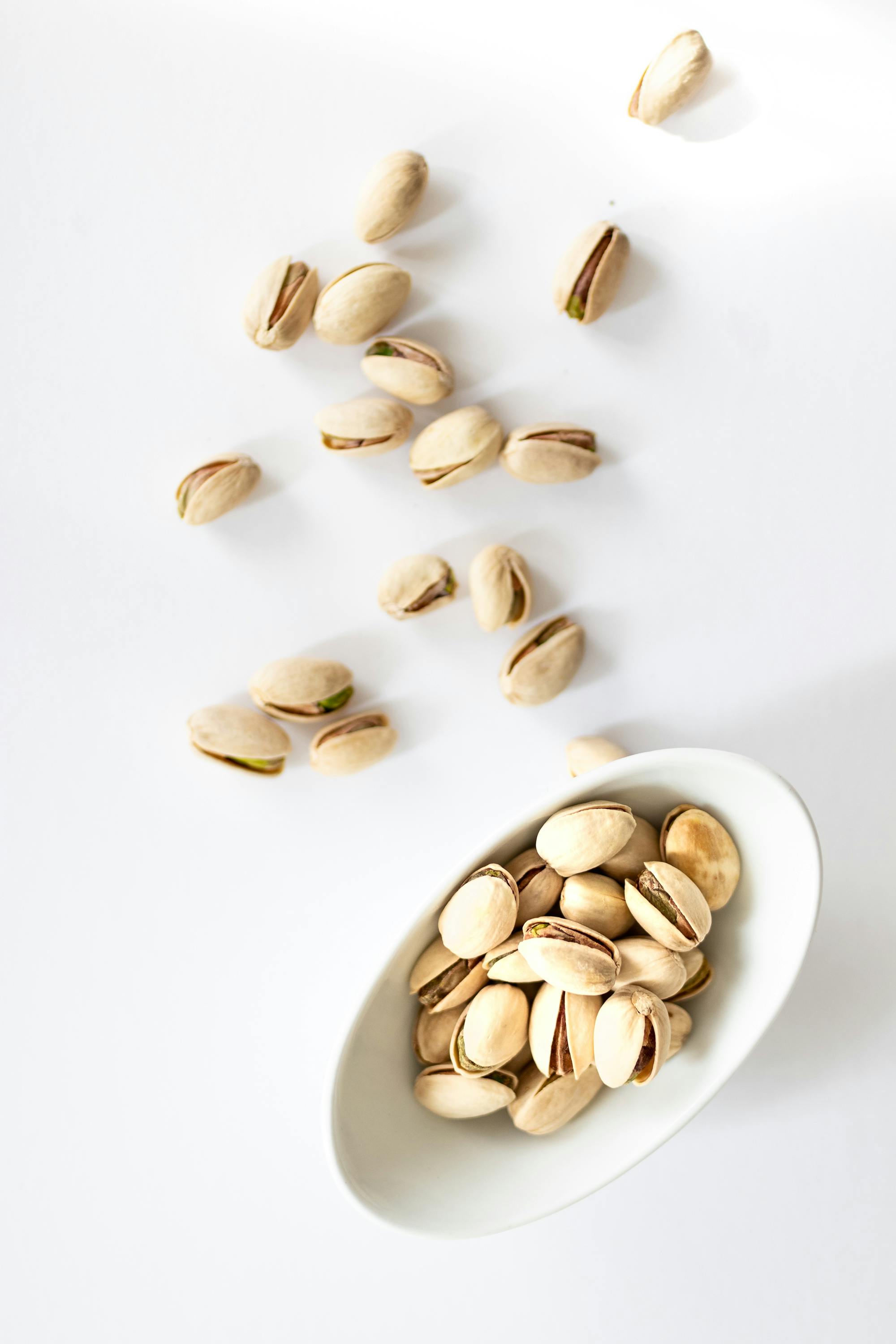
Pistachios are considered the most melatonin dense nut that people commonly eat, and they bring some nice extras to the table too. They are rich in vitamin B6, which your body needs to convert tryptophan into melatonin in the first place, so pistachios are basically helping at two different steps of the process. They also offer fiber, healthy fats, and antioxidants that support overall health.
Almonds and cashews contain melatonin as well, just in smaller amounts than pistachios. A small handful of any of these nuts in the evening can work as a satisfying snack that will not overload your stomach right before bed. Because nuts are calorie dense, keeping the portion to about a small handful, roughly what fits in your cupped palm, tends to work best.
If you want to boost the effect, try pairing pistachios with a small serving of tart cherries or a splash of tart cherry juice. That combination brings together two of the highest natural melatonin sources in one simple snack.
A Warm Glass of Milk
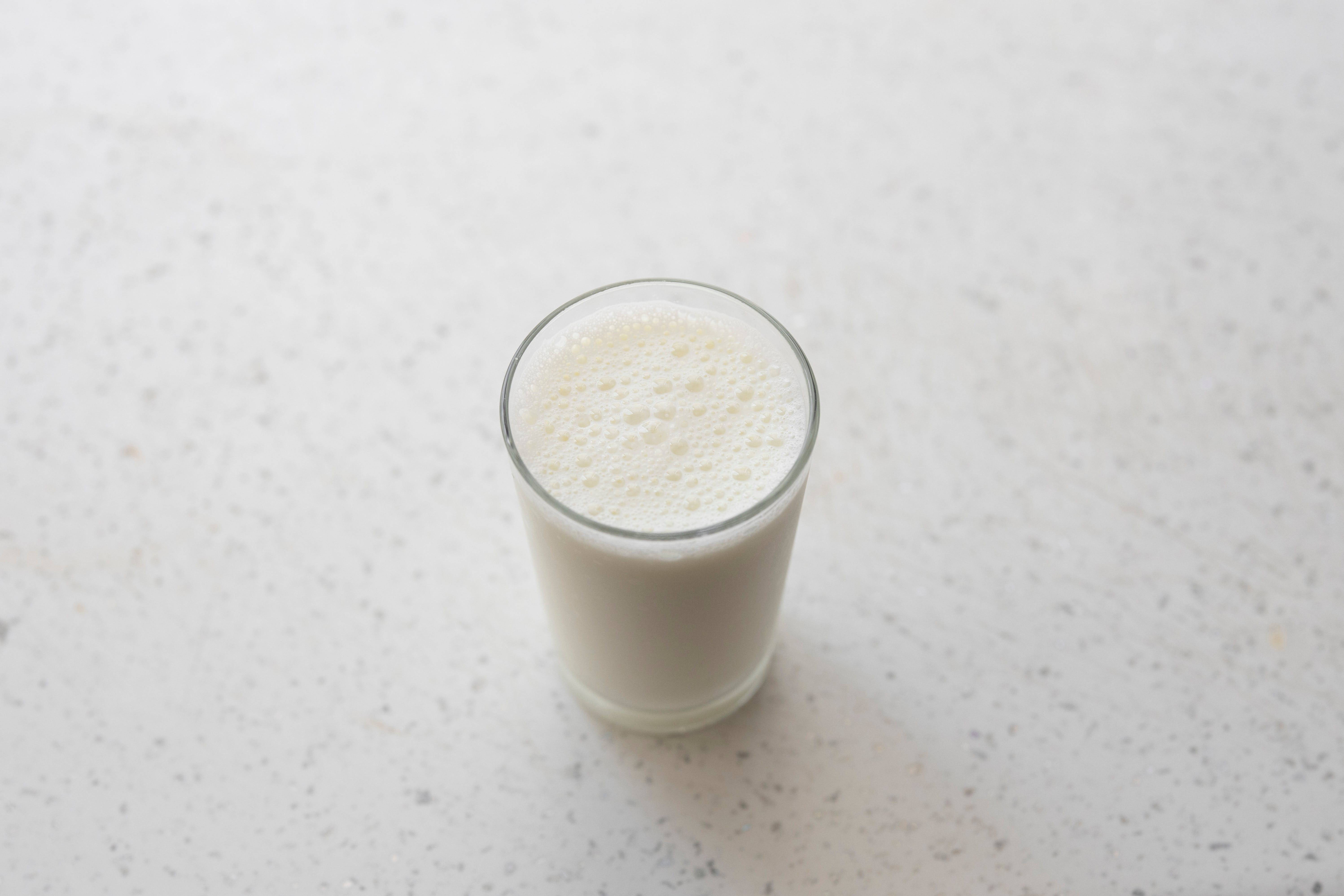
There is a reason warm milk before bed has been a go to comfort ritual for generations. Milk naturally contains both melatonin and tryptophan, giving your body two useful tools at once. Full fat milk may absorb slightly better because melatonin is fat soluble, though skim or plant based versions can still be a soothing part of a wind down routine.
Part of the benefit here might simply be the ritual itself. Warming a mug of milk, sitting somewhere quiet, and sipping it slowly sends a signal to your brain that the day is winding down, and that mental cue matters just as much as the nutrients inside the cup. Think of it as training your body to associate a certain smell and taste with the transition into sleep.
If dairy does not agree with you, a warm cup of unsweetened almond or oat milk can offer a similar calming ritual, even if the melatonin content is lower. The routine itself carries real weight here.
Oats
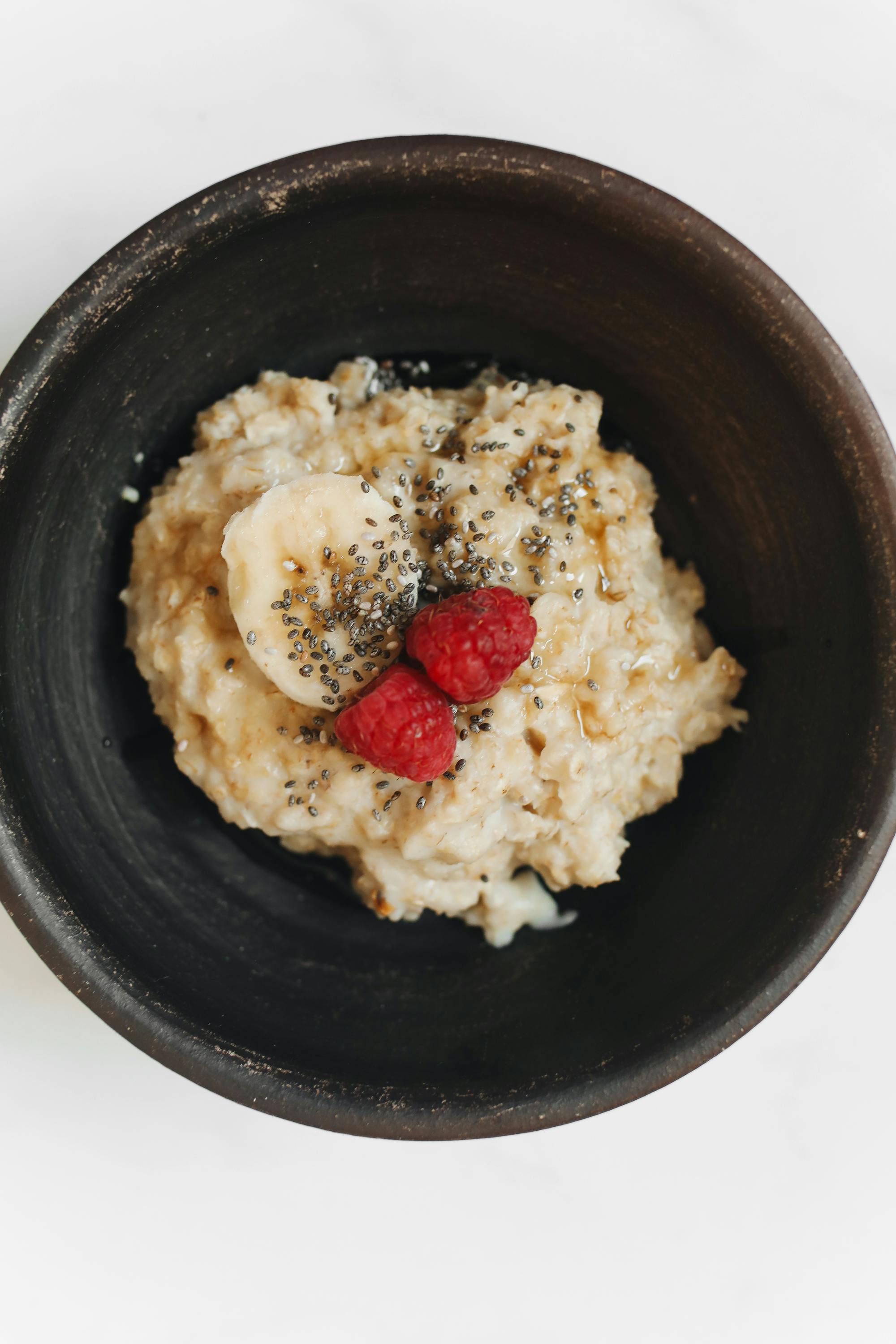
Oats are one of those foods that quietly do a lot of good work without much fanfare. Whole oats naturally contain melatonin along with tryptophan, giving your body raw materials to make more of its own sleep hormone overnight. They are also rich in complex carbohydrates, which can help tryptophan cross into the brain more easily.
A small bowl of warm oatmeal in the evening can be comforting without feeling heavy, especially compared to a big dessert. Preparing your oats with milk instead of water adds an extra layer of melatonin and protein, and topping them with a few almond slices or some tart cherries turns your bowl into a genuine sleep supporting combination. It also helps prevent that annoying midnight hunger that sometimes wakes people up.
Steel cut or rolled oats both work fine here, so use whichever you already have in the pantry. The goal is simplicity, not a complicated recipe you will dread making at nine at night.
Fatty Fish
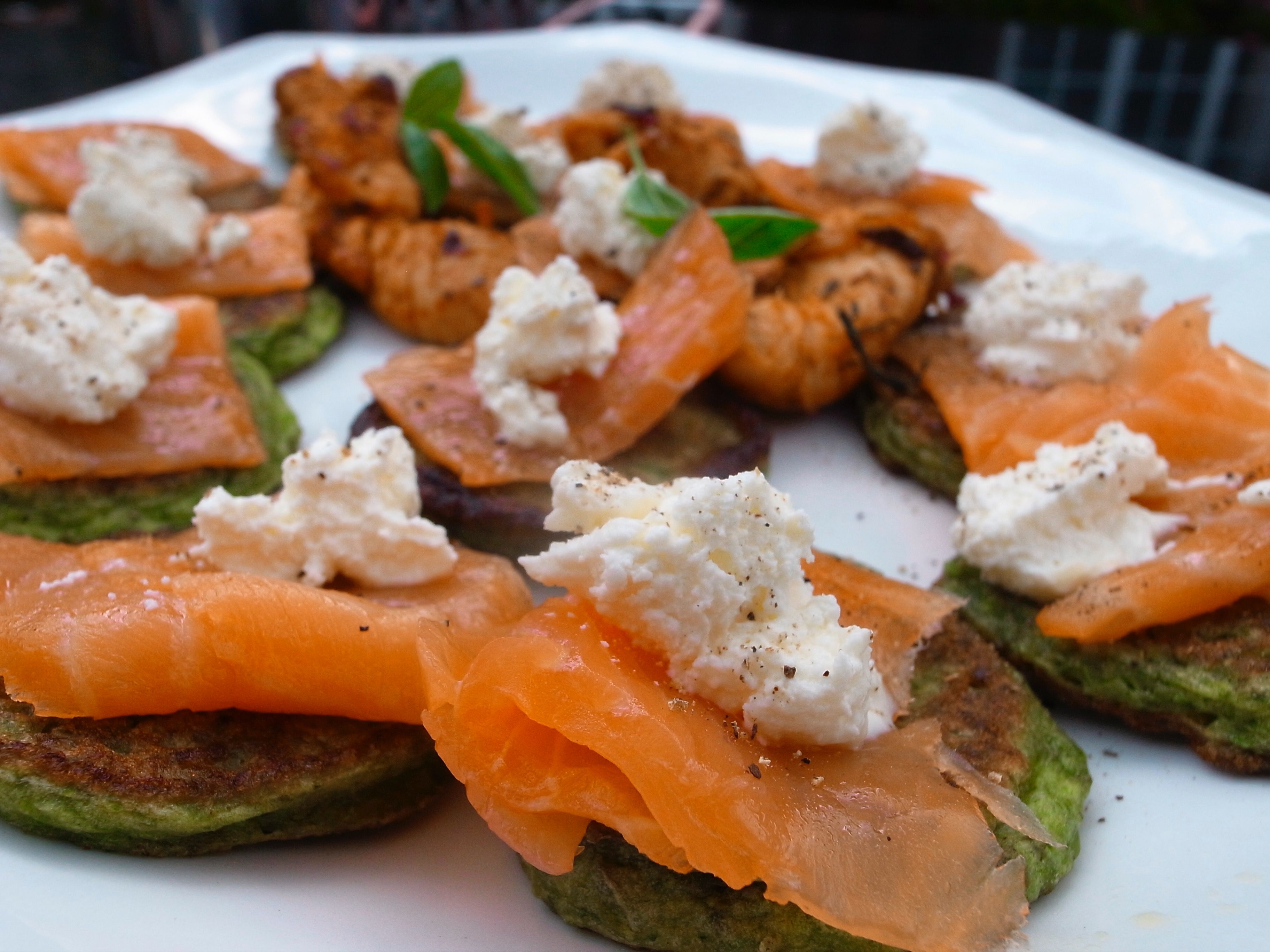
Fish like salmon and sardines might not be the first thing that comes to mind for a bedtime snack, but they deserve a spot on this list. These fatty fish naturally contain melatonin along with vitamin D and omega three fatty acids, both of which have been linked in research to better sleep quality. The combination of nutrients here is honestly pretty rare to find in one food.
Obviously you are probably not eating a full salmon fillet right before bed, and that is fine, because the real benefit comes from including fatty fish at dinner a few hours before you plan to sleep. Pairing grilled salmon with a whole grain side like brown rice or oats combines fish based melatonin with cereal based melatonin and tryptophan in a single meal. It is a small shift that can make your evening meal do double duty.
If fish is not part of your usual routine, even having it once or twice a week at dinner can be a reasonable way to work more melatonin and sleep friendly nutrients into your week without overhauling everything you eat.
Putting It All Together
None of these foods work like a switch that flips you straight into deep sleep, and that is actually the whole point. Real, food based sleep support tends to be gentle, cumulative, and most effective when it becomes part of a consistent evening routine rather than a one time fix. Pairing any of these foods with dimmed lights, less screen time, and a fairly consistent bedtime will amplify what they can do for you.
Start small. Pick one or two ideas from this list, maybe a kiwi and a small handful of pistachios, or a warm bowl of oats made with milk, and try making them part of your evening for the next couple of weeks. Your body tends to respond well to routine, and a few thoughtful bites before bed might be the easiest change you make all year.
Pinterest Pin
Image Prompt: Create a 2 by 3 vertical aspect ratio pin graphic, ultra high definition, on an off white or light gray background. At the top, display a headline using two different fonts: a small thin uppercase sans serif line reading “EAT YOUR WAY TO BETTER REST” as the setup phrase, followed underneath by large bold black condensed sans serif letters reading “SLEEP BOOSTING FOODS” stacked across two lines. Below the headline, arrange a grid of six circular photos, each set against a solid black circle background, evenly spaced in two rows of three. Each circle should show one real food item shot in close up realistic photography with clean simple lighting: tart cherries, sliced kiwi, pistachios, a glass of milk, a bowl of oats, and a fillet of grilled salmon. Under each circle, add a short caption in small bold uppercase letters, with the first word bolded as a label followed by a plain descriptor, such as “CHERRIES: NATURAL MELATONIN” or “KIWI: FASTER SLEEP ONSET” or “PISTACHIOS: MOST MELATONIN DENSE NUT” or “MILK: CLASSIC BEDTIME RITUAL” or “OATS: MELATONIN PLUS TRYPTOPHAN” or “SALMON: OMEGA THREE AND VITAMIN D”. Keep spacing even, shadows minimal, and the overall feel professional and slightly editorial, like a wellness magazine infographic.
Title: Foods That Naturally Boost Melatonin Before Bed
Pinterest Description: Struggling to wind down at night. These natural foods can help support better sleep without supplements. Learn why tart cherries and kiwi are backed by real sleep studies, how pistachios help your body convert tryptophan into melatonin, why warm milk works as more than just a comforting ritual, and how oats and fatty fish like salmon round out a sleep friendly evening routine. Simple, food based tips you can start using tonight to fall asleep faster and stay asleep longer. Click through to read the full post and find out which bedtime snack fits your routine best.